
Marktführer mit 26 Jahren
Erfahrung in Transformation
In 10-18 Monate
zum Executive MBA
Modular & flexibel als
Teilzeit-Studium
Kompaktestes Programm
am Markt
Netzwerk, Austausch &
Mitgliedschaft HSG Alumni
Das sagen unsere TeilnehmendeAmbassadorenDozierendeTeilnehmende, Ambassadoren & Dozierende
Studieninhalte & Module
Das modulare Studienkonzept ermöglicht es Ihnen, alle zwei Modul-Blöcke mit Präsenzpflicht innerhalb von rund 10 Monaten zu absolvieren. Jeder Modul-Block startet einmal jährlich und besteht aus sechs Modulwochen. Die genauen Termine der Präsenzmodule finden Sie hier.

Transformation planen
Transformation umsetzen

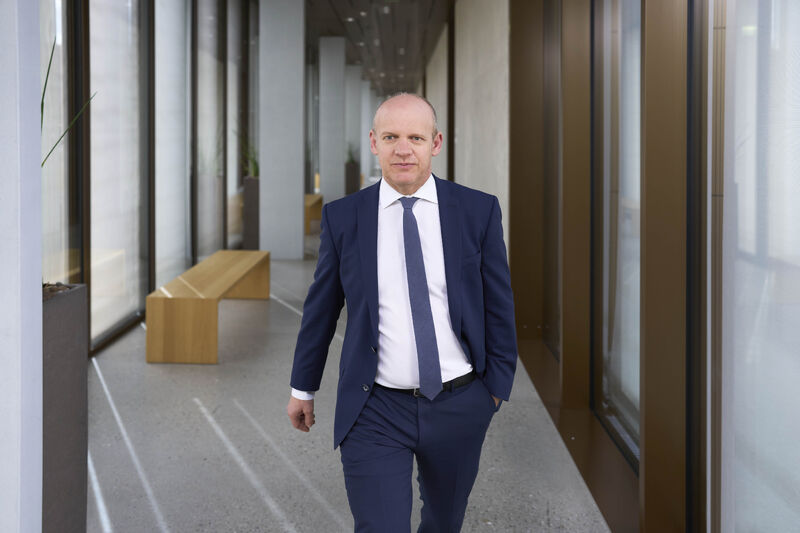
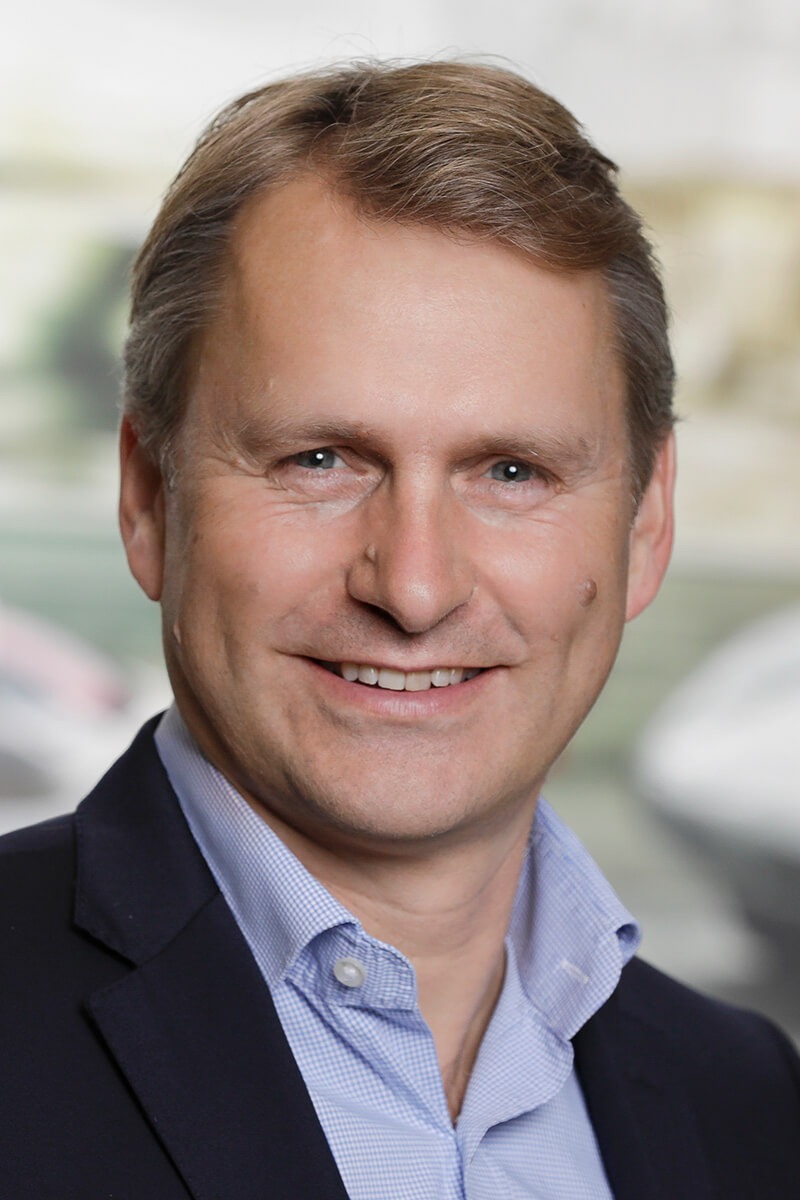
Alumnus Alex Glanzmann
CFO Schweizerische Post AG
Digitale Leader im beruflichen Alltag
Chancen der Transformation erkennen
Als digitaler Leader identifizieren Sie frühzeitig Chancen für Innovation und verstehen, wie digitale Trends Ihr Geschäft positiv beeinflussen können.
Transformation ganzheitlich denken
Durch eine integrative Herangehensweise stellen Sie sicher, dass die digitale Transformation alle Unternehmensbereiche umfasst und Mitarbeitende einbindet.
Transformation planen & umsetzen
Sie entwickeln eine strategische Roadmap, um digitale Initiativen effektiv und zielgerichtet umzusetzen.
Veränderung nachhaltig managen
Sie nutzen effektives Change Management, um Veränderungen dauerhaft im Unternehmen zu verankern und den langfristigen Erfolg zu sichern.
Von wem lernen Sie?
Unsere Dozierende
Unsere Hauptdozierenden stammen überwiegend aus dem Kreis der rund 100 Professor:innen der Universität St.Gallen. Sie stehen für praxisorientierte Forschung und enge Verbindungen zur Wirtschaft. Viele von ihnen beraten Grosskonzerne und Regierungen, sind in Aufsichtsgremien vertreten oder selbst erfolgreiche Gründer. Dies sichert einen hohen Praxisbezug und Relevanz der vermittelten Inhalte.
Für spezielle Themen, arbeiten wir mit ausgewiesenen Expertinnen und Experten zusammen, die internationale Erfahrung in ihren Fachgebieten mitbringen.
Machen Sie sich selbst ein Bild
Probelektionen
Gewinnen Sie einen direkten Einblick in unseren Studiengang – aus nächster Nähe und vollkommen ehrlich.
Interviews mit unseren Almuni
Updates aus dem aktuellen Studiengang
Juli 2026What makes the world’s most successful technology ecosystem so unique? 🤔
Update – Juli 2026What makes the world’s most successful technology ecosystem so unique? 🤔
As our "Silicon Valley Ecosystem: A Study Trip" 🇺🇲 enters its final phase, our participants have already gained remarkable insights 🧐 into the people, organizations, and ideas that continue to shape innovation on a global scale.
Under the academic leadership of Stuart Evans and Homa Bahrami 🙏, this week has offered a unique opportunity to experience Silicon Valley from the inside. Through exchanges with entrepreneurs, venture capitalists, researchers, investors, and technology leaders, participants have explored how collaboration between academia, startups, established companies, and investors creates an ecosystem that continuously drives innovation.
The programme has covered a wide range of topics, including entrepreneurship, venture capital, artificial intelligence, cybersecurity, healthcare, organizational transformation, leadership, and the rapidly evolving field of Physical AI. Highlights so far have included visits to University of California, Berkeley and Capgemini's Physical AI Showcase, where participants engaged directly with founders, executives, and AI experts at the forefront of technological development.
This afternoon, the journey continues with discussions on 🤖 AI's impact on organizations and leadership, enterprise AI, venture capital , and the future of AI investments before concluding the day at the UC Berkeley Faculty Club. Tomorrow, participants will present their project outcomes before bringing an inspiring week of learning, exchange, and new perspectives to a close.
A sincere thank you to everyone who has contributed to making this experience possible 🙏 👏 🤩:
Homa Bahrami
Stuart Evans
Luigi Caramico
Dave McCandless
Summer Shaw
Yousuf Khan
Julia Davourie
Alan Boehme
Emilia Pasquier
Sean Mitchell
Prasen Shelar
Tomás K.
Himanshu Rasam
John Robins
Priya Jhingan
Ulrike Baumöl
Reinhard Jung
Judith Eisenlohr
businessengineering
leadingchange
digitaltransformat
Juni 2026Leading Digital Sustainability and Resilience“ at the Copenhagen Business School
Update – Juni 2026Leading Digital Sustainability and Resilience“ at the Copenhagen Business School

As part of our group project during the Business Engineering Special „From Organizations to Ecosystems: Leading Digital Sustainability and Resilience“ at the Copenhagen Business School with Prof. Dr. Christiane Lehrer we were challenged to answer the question „Ecosystem Stewardship: What could enable system change?“. 🤔
It was impressive to see how Business Engineers, by shifting their perspective towards an ecosystem approach, were able to develop innovative solutions within a remarkably short time. Using the domain of Digital Health as an example, it became clear how much potential this way of thinking holds. It would be highly encouraging to see some of these ideas translated into practice, contributing to greater sustainability and, in the long term, to a more efficient and cost-effective healthcare system. 🙌
As part of the social event, we also visited CopenHill – a pioneering waste-to-energy plant that combines state-of-the-art waste incineration with urban recreation. Its most iconic feature is the artificial ski slope on the roof, allowing visitors to ski on a synthetic surface while the facility converts non-recyclable waste into electricity and district heating. 💡 🎿


Juni 2026From Organizations to Ecosystems: Leading Digital Sustainability and Resilience
Update – Juni 2026From Organizations to Ecosystems: Leading Digital Sustainability and Resilience

This week, we had the pleasure of welcoming our participants to Copenhagen for the Business Engineering Special “From Organizations to Ecosystems: Leading Digital Sustainability and Resilience” at the Copenhagen Business School with Prof. Dr. Christiane Lehrer.
The first three days challenged us to broaden our perspective from organizations to ecosystems and to rethink sustainability, resilience, and value creation through a systemic lens 💬 🧐.
On Monday, we explored the foundations of systems thinking and ecosystemic resilience. The discussions highlighted how organizations increasingly operate within interconnected networks where long-term success depends on understanding relationships, dependencies, and shared value creation. Practical insights from Ramboll demonstrated how sustainability can be translated into tangible transformation initiatives.
Tuesday focused on circularity and regenerative ecosystems. Through the case study and company visit at Arla Foods, we gained valuable insights into how one of the world’s leading dairy companies approaches sustainability, circular value creation, and ecosystem collaboration across its value chain. The exchange between academia and practice made the opportunities and challenges of large-scale transformation particularly tangible.
Wednesday morning brought another inspiring industry perspective through the case study and workshop with GRUNDFOS. The discussions illustrated how resilience and sustainability can be embedded into strategy, operations, and innovation, while creating value that extends beyond traditional organizational boundaries.
A recurring theme throughout the week was the importance of moving from isolated organizational thinking toward ecosystem thinking. Digital sustainability requires collaboration across stakeholders, the ability to learn continuously, and the courage to lead transformation in complex and dynamic environments.
A sincere thank you to all contributors who shared their expertise and experiences with our participants 🙏 👏


Juni 2026𝐊𝐈 𝐯𝐞𝐫ä𝐧𝐝𝐞𝐫𝐭 𝐮𝐧𝐬𝐞𝐫𝐞 𝐀𝐫𝐛𝐞𝐢𝐭
Update – Juni 2026𝐊𝐈 𝐯𝐞𝐫ä𝐧𝐝𝐞𝐫𝐭 𝐮𝐧𝐬𝐞𝐫𝐞 𝐀𝐫𝐛𝐞𝐢𝐭

𝐊𝐈 𝐯𝐞𝐫ä𝐧𝐝𝐞𝐫𝐭 𝐮𝐧𝐬𝐞𝐫𝐞 𝐀𝐫𝐛𝐞𝐢𝐭 𝐬𝐜𝐡𝐧𝐞𝐥𝐥𝐞𝐫, 𝐚𝐥𝐬 𝐰𝐢𝐫 𝐮𝐧𝐬𝐞𝐫𝐞 𝐒𝐭𝐫𝐮𝐤𝐭𝐮𝐫𝐞𝐧 𝐚𝐧𝐩𝐚𝐬𝐬𝐞𝐧 𝐤ö𝐧𝐧𝐞𝐧. Und genau deshalb war die EMBE‑Modulwoche 𝐀𝐠𝐢𝐥𝐞 𝐖𝐨𝐫𝐤 & 𝐇𝐮𝐦𝐚𝐧‑𝐂𝐞𝐧𝐭𝐞𝐫𝐞𝐝 𝐃𝐞𝐬𝐢𝐠𝐧 mit Hrn. Prof. Dr. Falk Uebernickel (付云鹏) ein Augenöffner. Diese Woche wurde klar: 𝐖𝐢𝐫 𝐞𝐫𝐥𝐞𝐛𝐞𝐧 𝐞𝐢𝐧𝐞 𝐊𝐈‑𝐃𝐢𝐬𝐫𝐮𝐩𝐭𝐢𝐨𝐧 – 𝐚𝐛𝐞𝐫 𝐯𝐢𝐞𝐥𝐞 𝐎𝐫𝐠𝐚𝐧𝐢𝐬𝐚𝐭𝐢𝐨𝐧𝐞𝐧 𝐧𝐞𝐡𝐦𝐞𝐧 𝐬𝐢𝐞 𝐧𝐨𝐜𝐡 𝐠𝐚𝐫 𝐧𝐢𝐜𝐡𝐭 𝐰𝐚𝐡𝐫. Warum? Weil unsere bisherigen Problemlösungsmuster an Grenzen stossen:
𝐔𝐧𝐬𝐞𝐫𝐞 𝐤𝐨𝐠𝐧𝐢𝐭𝐢𝐯𝐞𝐧 𝐅ä𝐡𝐢𝐠𝐤𝐞𝐢𝐭𝐞𝐧 𝐬𝐢𝐧𝐝 𝐥𝐢𝐦𝐢𝐭𝐢𝐞𝐫𝐭
𝐇𝐢𝐞𝐫𝐚𝐫𝐜𝐡𝐢𝐞𝐧 𝐬𝐢𝐧𝐝 𝐳𝐮 𝐥𝐚𝐧𝐠𝐬𝐚𝐦
𝐊𝐨𝐦𝐩𝐥𝐞𝐱𝐢𝐭ä𝐭 ü𝐛𝐞𝐫𝐟𝐨𝐫𝐝𝐞𝐫𝐭 𝐮𝐧𝐬
𝐖𝐢𝐫 𝐡𝐚𝐛𝐞𝐧 𝐬𝐞𝐦𝐚𝐧𝐭𝐢𝐬𝐜𝐡𝐞 𝐋ü𝐜𝐤𝐞𝐧
𝐙𝐮𝐬𝐚𝐦𝐦𝐞𝐧𝐚𝐫𝐛𝐞𝐢𝐭 𝐢𝐬𝐭 𝐧𝐢𝐜𝐡𝐭 𝐢𝐦𝐦𝐞𝐫 𝐝𝐢𝐞 𝐬𝐜𝐡𝐧𝐞𝐥𝐥𝐬𝐭𝐞 𝐅𝐨𝐫𝐦 𝐝𝐞𝐫 𝐄𝐫𝐠𝐞𝐛𝐧𝐢𝐬𝐞𝐫𝐫𝐞𝐢𝐜𝐡𝐮𝐧𝐠
Gleichzeitig passiert Folgendes:
𝐋𝐋𝐌𝐬 𝐬𝐤𝐚𝐥𝐢𝐞𝐫𝐞𝐧 𝐢𝐧 𝐞𝐢𝐧𝐞𝐫 𝐃𝐢𝐦𝐞𝐧𝐬𝐢𝐨𝐧, 𝐝𝐢𝐞 𝐰𝐢𝐫 𝐧𝐢𝐜𝐡𝐭 𝐦𝐞𝐡𝐫 𝐢𝐧𝐭𝐮𝐢𝐭𝐢𝐯 𝐞𝐫𝐟𝐚𝐬𝐬𝐞𝐧 𝐤ö𝐧𝐧𝐞𝐧. 100’000 × 30 × 60 Operationen – in Sekunden. Was früher mehrere Assistenten über Jahre analysierten, schafft heute eine Person mit KI in wenigen Tagen. Ein Satz eines Experten aus dem Modul bleibt hängen:
„𝐖𝐞𝐫 𝐡𝐞𝐮𝐭𝐞 𝐧𝐨𝐜𝐡 𝐦𝐢𝐭 𝐝𝐞𝐧 𝐇ä𝐧𝐝𝐞𝐧 𝐩𝐫𝐨𝐠𝐫𝐚𝐦𝐦𝐢𝐞𝐫𝐭, 𝐦𝐮𝐬𝐬 𝐦𝐢𝐫 𝐳𝐞𝐢𝐠𝐞𝐧, 𝐰𝐚𝐫𝐮𝐦.“ Doch KI ersetzt nicht Denken. 𝐒𝐢𝐞 𝐯𝐞𝐫ä𝐧𝐝𝐞𝐫𝐭 𝐰𝐢𝐞 𝐰𝐢𝐫 𝐝𝐞𝐧𝐤𝐞𝐧, 𝐰𝐢𝐞 𝐰𝐢𝐫 𝐠𝐞𝐬𝐭𝐚𝐥𝐭𝐞𝐧 𝐮𝐧𝐝 𝐰𝐢𝐞 𝐰𝐢𝐫 𝐟ü𝐡𝐫𝐞𝐧. Genau hier setzt das Modul an:
👉 𝐇𝐮𝐦𝐚𝐧‑𝐂𝐞𝐧𝐭𝐞𝐫𝐞𝐝 𝐃𝐞𝐬𝐢𝐠𝐧 als Methode, um Komplexität zu strukturieren
👉 𝐊𝐈 als Werkzeug, um Muster sichtbar zu machen
👉 𝐏𝐫𝐨𝐭𝐨𝐭𝐲𝐩𝐢𝐧𝐠 & 𝐒𝐢𝐦𝐮𝐥𝐚𝐭𝐢𝐨𝐧 als neue Führungslogik
👉 𝐎𝐩𝐞𝐫𝐚𝐭𝐢𝐧𝐠 𝐌𝐨𝐝𝐞𝐥𝐬, die Mensch und Maschine verbinden
Wir danken allen Beteiligten und Dozierenden für eine lehr- und aufschlussreiche Woche 🤩 👏 🙏


Mai 2026Transformation ist Transformation
Update – Mai 2026Transformation ist Transformation

„Transformation ist Transformation – egal, ob davor ‚digital‘, ‚AI‘, ‚green‘, oder sonst etwas steht. Neben der fachlichen Kompetenz ist Empathie unerlässlich – Lösungen entstehen durch zuhören.“
Fr. Prof. Dr. Ulrike Baumöl
Am WBZ Holzweid I Executive Campus HSG läuft diese Woche bei uns das Modul „Digitale Transformation“ unter der Leitung von Fr. Prof. Dr. Ulrike Baumöl. Nach einer kurzen Begrüssung unserer Studierenden durch Fr. Dr. Sandra Hutterli ging es direkt rein ins Thema: Wie hängt digitale Innovation und Business Transformation zusammen? Wie managed man eine Transformation? Und es ging bereits an Tag 1 um die Ausarbeitung der Fallstudie, welche am Freitag präsentiert wird.
Gestern durften wir dann einige Gäste bei uns willkommen heissen 👏: Thomas Bolli mit dem Thema „Menschen im Mittelpunkt von Innovation und Transformation“, Kilian Eyholzer gab uns Einblicke in die digitale Transformation von Victorinox, Sandra Hutterli zum Thema „Digitale Transformation ist People Transformation“ und gegen Abend besuchte uns Dr. Martin Wechsler und berichtete von der Transformation von Migros.
Am Abend wurde es dann sportlich: Im Zuge des Social Events ging es ins Restaurant Drei Linden, wo wir uns gegenseitig bei einer Partie Minigolf messen konnten. Die Kulinarik kam natürlich auch nicht zu kurz… 😋
Die kommenden Tage bleiben ebenfalls spannend 🤩: Wir freuen uns jetzt schon auf Hrn. Prof. Dr. Reinhard Jung zum Thema „Digital Nudging“, sowie auf Guido Kaufmann, der uns bei der Ausarbeitung der Fallstudie unterstützen wird.
Vielen Dank an alle Beteiligten für euer Engagement und für euren Beitrag! 🙏


Mai 2026Ready for the worst-case
Update – Mai 2026Ready for the worst-case

Ready for the worst-case – 48 hours of disruption and crisis management at the “Swiss Armed Forces – KFK – Kommando Führungs- und Kommunikationsausbildung” 🎖️
As part of their learning journey, our CAS TBD (Transformational Business Design) participants completed an extraordinary module at the Swiss Armed Forces’ General Staff School Leadership Training Centre. Over the course of 48 intense hours, they received training and preparation in disruption and crisis management.
Key Take-Aways:
• Understanding the roles and responsibilities of a crisis management team
• The “5+2” military leadership model as a foundation for leading and managing crisis situations
• Methods for structured decision-making and “thinking in alternatives”
• Hands-on experience in staff work, reporting, and situation tracking
• Effective teamwork under time pressure, whether in teams or staff structures
• An assessment of their own potential to handle crisis
Participants experienced what it truly means to reach – and push beyond – their limits in situations of pressure, fatigue, and uncertainty. Conventional management approaches were deliberately set aside to focus on core crisis management tools and their practical application. The highlight: a press conference conducted under realistic conditions. An experience that leaves a lasting impact – and prepares for the next crisis. 💪
Thank you for being a part of this journey!


Mai 2026Wir begrüssen unsere Gäste
Update – Mai 2026Wir begrüssen unsere Gäste

Wir begrüssen unsere Gäste der TUM LifeLong Learning (Executive MBA in Business & IT) bei uns in St.Gallen, diesmal im Hotel Einstein St.Gallen, zum Modul „Change Management & Human Capital“ mit Fr. Prof. Dr. Ulrike Baumöl: Welche Treiber für Change herrschen vor, welchen Zusammenhang mit Komplexität gibt es, wie spielen Trends und Megatrends hinein und warum High-Performance Teams ein Schlüssel für eine erfolgreiche Transformation sind. Zu letzterem Thema durften wir bereits gestern Thomas Bolli bei uns willkommen heissen, der uns mit Insights aus der Praxis versorgte.
Es wartet noch vieles diese Woche, wir freuen uns jetzt schon auf: „IT-driven Transformation of the Enterprise: The Case of Migros“ mit Dr. Martin Wechsler, auf die Gruppenarbeit, begleitet von Guido Kaufmann, sowie auf die ganzen Themen rund um „Human Capital Challenges“ mit Hr. Prof. Dr. Matthias Mölleney am Donnerstag und am Freitag.
Danke an alle Beteiligten! 🤩 🙏


Mai 202615 neue Studierende am WBZ Holzweid I Executive Campus HSG zum Studienstart
Update – Mai 202615 neue Studierende am WBZ Holzweid I Executive Campus HSG zum Studienstart

Wir begrüssen 15 neue Studierende diese Woche bei uns am WBZ Holzweid I Executive Campus HSG zum Studienstart mit dem Modul „Einführung ins Business Engineering“ mit Hrn. Prof. Dr. Reinhard Jung. Nach einer Begrüssung durch Sandra Hutterli ging es bereits rein ins Thema: In dieser intensiven Woche beschäftigen wir uns mit Anspruch, Positionierung und den zentralen Prinzipien des Business Engineerings, erhalten erste praxisnahe Einblicke von unseren Gastreferierenden und entwickeln gemeinsam Leitlinien für erfolgreiche Zusammenarbeit und Teambildung. Vielen Dank an Stefan List, Vidor Kapy, Kristin Fuchs und Andreas Frei, EMBE HSG für die bisherigen Gastvorträge und Insights. Fürs Kennenlernen ist der Social Event natürlich bestens geeignet: Bereits am gestrigen Dienstag durften wir alle gemeinsam im Restaurant Zum Goldenen Schäfli ein Willkommensdinner genießen. 😋
Die kommenden Tage versprechen weitere spannende Programmpunkte: Einblicke aus der Praxis von Martin Hoerbe, vertiefendes Methodikwissen im Business Engineering mit Prof. Dr. Robert Winter, sowie eine Advanced-Miro-Session mit Tobias K.. Zudem freuen wir uns, die Business Engineering Alumni-Community (HSG Alumni | Universität St.Gallen) begrüßen zu dürfen. Den Abschluss der Woche bildet am Freitag eine erste Feedbackrunde zu den erarbeiteten Gruppenarbeiten.
Wir freuen uns sehr auf den gemeinsamen Weg und die bevorstehende Reise mit unseren Teilnehmenden! 🤩💡🚀
P.S.: Ein großes Dankeschön an Judith Eisenlohr für die Organisation der EMBE-Hoodies – ihr seht fantastisch aus! 😍


Juli 2026What makes the world’s most successful technology ecosystem so unique? 🤔
Update – Juli 2026What makes the world’s most successful technology ecosystem so unique? 🤔
As our "Silicon Valley Ecosystem: A Study Trip" 🇺🇲 enters its final phase, our participants have already gained remarkable insights 🧐 into the people, organizations, and ideas that continue to shape innovation on a global scale.
Under the academic leadership of Stuart Evans and Homa Bahrami 🙏, this week has offered a unique opportunity to experience Silicon Valley from the inside. Through exchanges with entrepreneurs, venture capitalists, researchers, investors, and technology leaders, participants have explored how collaboration between academia, startups, established companies, and investors creates an ecosystem that continuously drives innovation.
The programme has covered a wide range of topics, including entrepreneurship, venture capital, artificial intelligence, cybersecurity, healthcare, organizational transformation, leadership, and the rapidly evolving field of Physical AI. Highlights so far have included visits to University of California, Berkeley and Capgemini's Physical AI Showcase, where participants engaged directly with founders, executives, and AI experts at the forefront of technological development.
This afternoon, the journey continues with discussions on 🤖 AI's impact on organizations and leadership, enterprise AI, venture capital , and the future of AI investments before concluding the day at the UC Berkeley Faculty Club. Tomorrow, participants will present their project outcomes before bringing an inspiring week of learning, exchange, and new perspectives to a close.
A sincere thank you to everyone who has contributed to making this experience possible 🙏 👏 🤩:
Homa Bahrami
Stuart Evans
Luigi Caramico
Dave McCandless
Summer Shaw
Yousuf Khan
Julia Davourie
Alan Boehme
Emilia Pasquier
Sean Mitchell
Prasen Shelar
Tomás K.
Himanshu Rasam
John Robins
Priya Jhingan
Ulrike Baumöl
Reinhard Jung
Judith Eisenlohr
businessengineering
leadingchange
digitaltransformat
Weiterbildung an der
Universität St.Gallen
Als eine der führenden Wirtschaftsuniversitäten Europas ist die Universität St.Gallen (HSG) global anerkannt als Denkplatz für aktuelle Probleme von Wirtschaft und Gesellschaft sowie für die Förderung integrativ denkender, unternehmerisch und verantwortungsvoll handelnder Persönlichkeiten.
Das Institut für Wirtschaftsinformatik ist der Teil der Universität St. Gallen. Als erstes auf den ganzheitlichen Wandel fokussiertes Executive MBA-Programm der Universität St.Gallen (HSG) garantieren wir Ihnen eine inhaltlich einzigartige und qualitativ hochkarätige Weiterbildung.
Wir blicken auf mittlerweile über 24 erfolgreiche Durchführungen des Executive MBA HSG in Business Engineering zurück.